

With workforce participation at 53% and 42% acting as primary household decision-makers, UAE women hold tangible economic power. Globally, women control $31.8 trillion in spending, and locally, UAE consumers significantly outspend global averages in beauty and fashion.
But scale alone doesn’t explain her influence.
The modern UAE woman is not simply a demographic. She is an economic force operating at the intersection of ambition, authority, and identity – reshaping how relevance must be earned.
What has changed isn’t simply income or spending power. It’s the convergence of professional ambition, family responsibility, and digital fluency, with decisions across categories now reflecting this overlap.
Duality, Not Contradiction
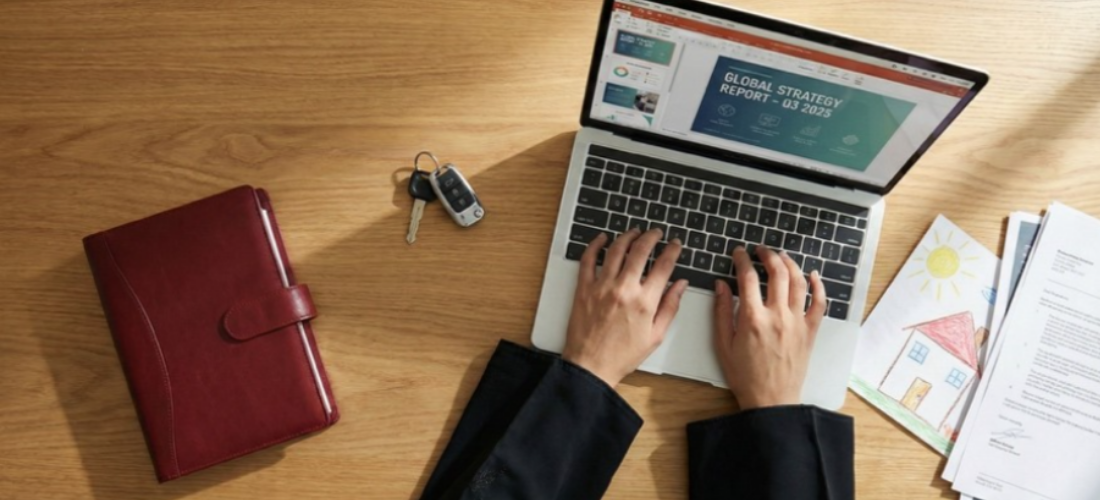
The identity of women in the UAE is layered, not linear.
77% enrol in higher education, with strong STEM representation. Career progression and knowledge increasingly rank above motherhood in defining identity. Financial stability, wellbeing and personal growth shape purchase priorities.
Yet tradition and modernity do not compete. They coexist.
Professional ambition sits alongside deep family responsibility. Many women describe a daily negotiation between personal investment and household priorities:
“I balance my career with providing the best for my family. Every choice reflects both.”
This is not contradiction. It is duality catalysed by the reality of life for women in the UAE.
Brands that frame her only as caregiver – or only as career-driven – flatten a far more nuanced reality. And in doing so, they risk irrelevance.
Digital Is Infrastructure, Not a Channel
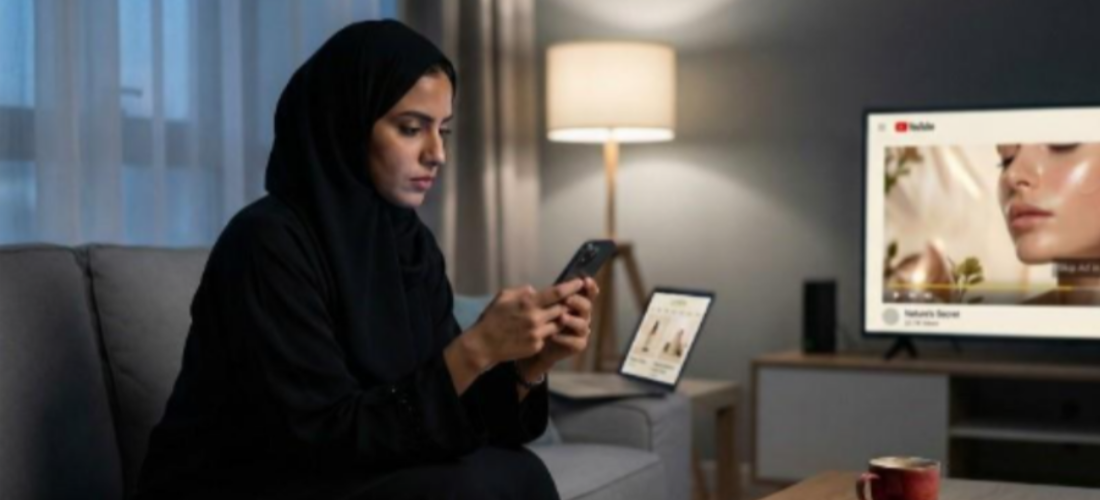
The UAE female consumer does not ‘use digital’ – she operates within it.
Daily Instagram participation is active, not passive. Streaming is embedded into evening routines across TV and mobile. Online shopping is habitual, but considered. Social discovery is followed by independent validation. Entertainment and transaction are fluidly connected.
Content shapes identity. Identity shapes purchases. The distance between the two is shrinking.
This is not experimentation.
It is operational fluency.
For brands, that means digital planning cannot be siloed from identity-building. Media and meaning now move together.
The Representation Gap
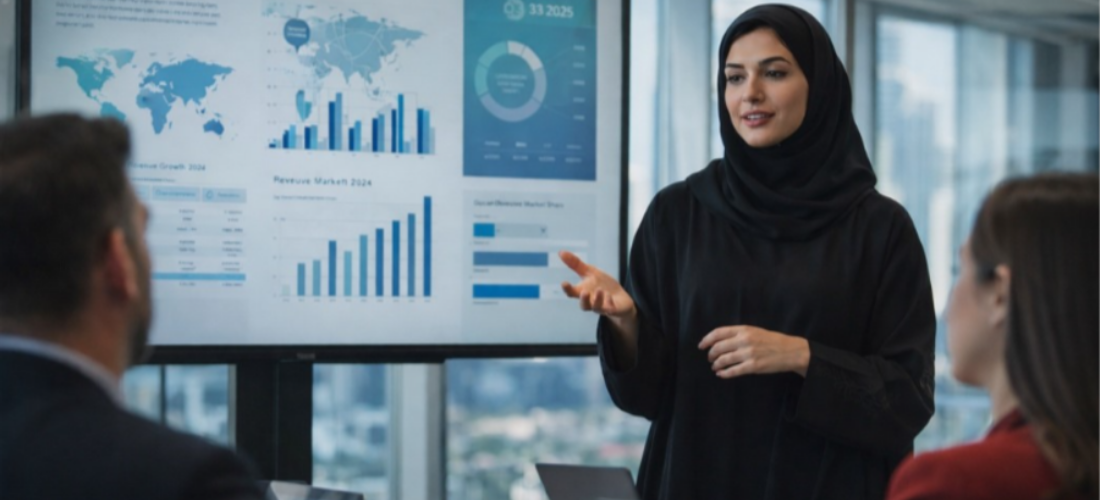
Despite this evolution, disconnect remains.
48% of women do not feel brands truly understand them. 41% do not feel empowered by how women are portrayed in marketing.
Purpose cannot be performative, and representation cannot be reductive.
In the UAE context, where tradition and modernity operate simultaneously, nuance is even more prevalent as ambition; intelligence and cultural awareness are not optional signals – they are expectations.
What This Means for Brands
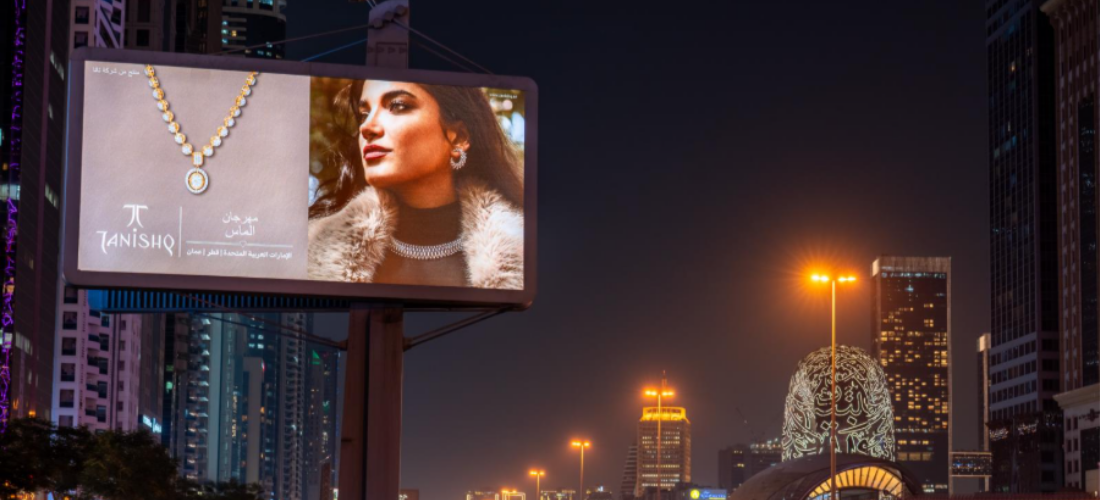
Connecting with the modern UAE woman requires structural change, not surface messaging.
It means:
- Moving beyond symbolic empowerment toward visible, provable action
- Speaking to her whole identity, not isolated roles
- Reflecting cultural precision while acknowledging global mindset
- Aligning media, creative and messaging with her authority as a decision-maker
The modern UAE woman is not waiting to be recognised – she is already leading: economically, culturally, and digitally.
The brands that win will engage her not as an archetype, but as a fully realised force shaping the region’s future.
Sources: Aletihad News Center’s The Collective Economy report, Evolut’s Beautyworld Middle East 2025 Trend & Expansion Report, Global Web Index 2025, Bain & Company’s Advancing Gender Equity in the Middle East Workforce, Chalhoub Group’s Gen Z’s Skincare Evolution in the GCC, PwC’s Voice of the Empowered Consumer, Mastercard’s research on UAE women’s entrepreneurship, nfinity8’s A Marketer’s Guide to Ramadan 2026, Euromonitor, and Zoe Hurley’s social media empowerment study published via Zayed University Scholars.