

2026 marks a shift in how advertising is experienced.
In the UAE, brand choice now happens across ads, search, retail platforms and
reviews, often within a single decision window.
For years, media planning assumed a straight line: see the ad, remember the brand,
consider, buy.
That model was clean, predictable, and easy to measure – but it no longer reflects reality.
Now, people move sideways. They scroll, search, compare prices, check reviews,
browse retail platforms, and revisit brands across multiple moments, often within
the same decision window.
Advertising is still central to that process, but it no longer acts alone.
And that shift doesn’t reduce the value of media. It clarifies it.

What the data really tells us
At first glance, some of the numbers look challenging.
Only 24.6% of UAE consumers say they tend to buy brands they’ve seen advertised.
At the same time, 18.6% actively try to avoid advertising altogether.
Read in isolation, that could sound like a problem for media. Read properly,
it reveals something more useful.
Advertising drives awareness and consideration, but decisions are shaped across a
wider system.
Nearly 48% of consumers research products online before buying. 28.3% turn to
search engines. 19.8% rely on review sites, while brand and retail websites
consistently sit between 25–28%.
Advertising doesn’t pass the baton to these channels. It shapes the context in
which they’re used.
The ad introduces the brand.
Search validates it.
Reviews reassure.
Retail platforms enable comparison.
Each touchpoint reinforces the next. None of them work as effectively in isolation.
This represents a shift from persuasion in a single moment to presence across
multiple moments.
Where advertising continues to do its most important work
The role of advertising becomes clearer when you look at where it shows up, and
what it enables.
Social media leads discovery, with 31.3% encountering ads while scrolling. This is
often where brands enter the consideration set before consumers consciously
decide to shop.
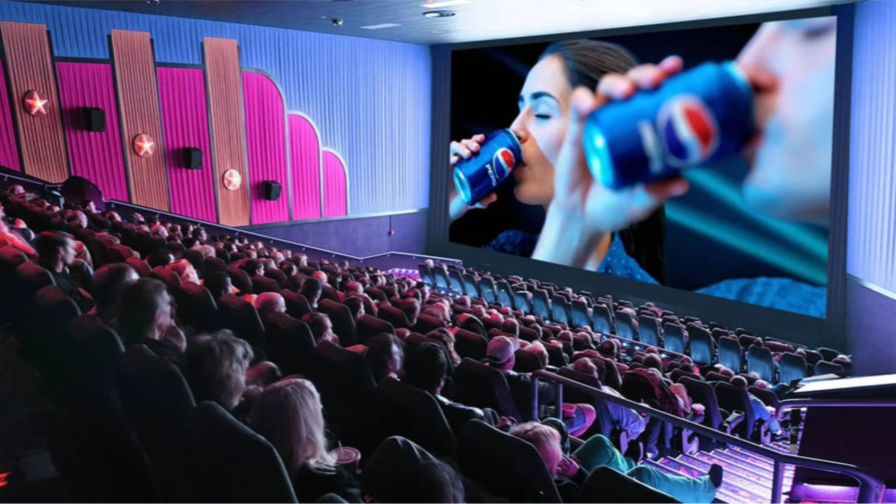
Video, cinema, and music environments remain powerful at helping messages land,
particularly in lean-back, visually engaging contexts where audiences are more
receptive to storytelling.
Offline formats such as radio and out-of-home continue to signal scale, credibility,
and familiarity – signals that are difficult to replicate through performance media
alone.
These channels don’t close the loop. They set it in motion.
Advertising works best when it provides context, confidence, and momentum, not
when it tries to force an immediate decision. Its strength lies in shaping perception
early and reinforcing it consistently, so that when people search, compare, and
choose, the brand already feels familiar and credible.
Why age still matters (but maybe not in the way you think)
Data shows that receptivity to advertising isn’t about whether people like ads, it’s
about where advertising feels appropriate.
Younger audiences (16–24) are more resistant to overt formats, except in gaming
and immersive environments where advertising feels native and integrated. For this
group, advertising isn’t rejected, it’s filtered. If it interrupts, it fails. If it enhances
the experience, it works.
Those aged 25–44 navigate the full ecosystem most fluently. Advertising provides
background context, while search, owned platforms, and retail environments do the
heavy lifting. They expect brands to show up cohesively across all of them.
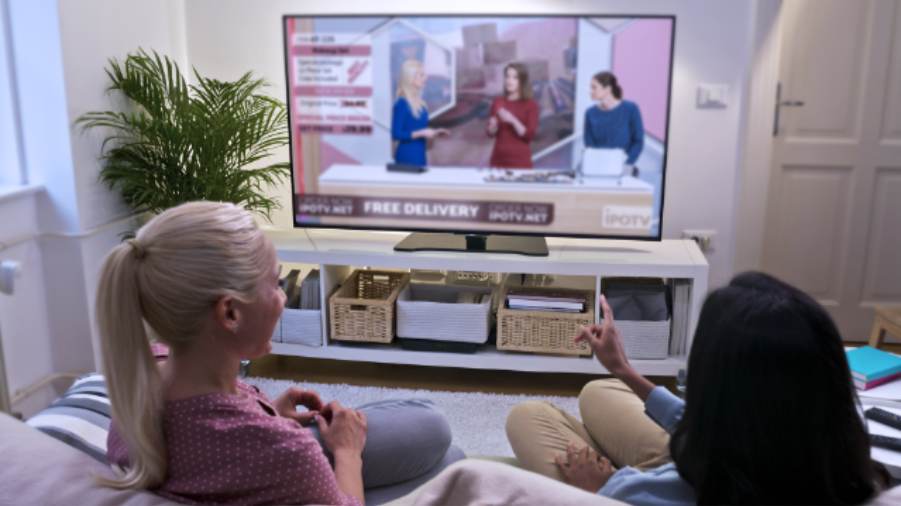
Older audiences (45–64) are more comfortable with traditional formats, where
advertising reinforces trust rather than persuades outright. Seeing a brand on TV or
out-of-home still signals legitimacy in a way digital alone often cannot.
Different audiences enter the system at different points, but the system itself remains the same.
What this means for brands in 2026

Media is no longer just about delivering reach.
It’s about making advertising useful within the way people make decisions in
increasingly complex research and purchase journeys.
That means planning touchpoints together, not in isolation. Understanding which
environments introduce a brand, which validate it, and which convert, and
designing media so those roles work in sequence, not silos.
A furniture brand running Instagram discovery ads also needs a strong presence on
Google Shopping and credible reviews on retail platforms.
A real estate developer investing in out-of-home must ensure the website
experience is optimised for mobile search the moment interest peaks.
The brands that will win in 2026 are the ones investing intelligently – ensuring
every advertising touchpoint builds on the last and strengthens the next.
This is the year of better-connected media.
Sources: Global Web Index 2025; Audience Definition = UAE Internet Users (16-64
years old)